Don’t assume your funds are safe.
Obligations and expenditures can drive a lot of decisions toward the end of the fiscal year. Unobligated funds are the priority since the government loses those funds (in most cases) if they do not get them on a contract by Sep 30. Another risk area is expended funds, or more specifically; the likelihood of funds being expended during the next year even though they were obligated.
I covered this at the general concept level in the Fall Out Money series last year. The goal is for them to use other contractors’ fall out money…and for them not to get any from your contracts.
As a Contracting Officer, there were multiple times I had unexpended funds on the contracts I managed as the end of the fiscal year loomed. This created a yellow flag for the comptroller because unused funds were THE black eye most comptrollers want to avoid. It’s their job to manage the money, so when some of it (any of it) goes unused they are likely the first to hear about it from the Economic Deciders.
Sometimes my contracts had funds that were obligated (put on contract) but not expended (used) yet or were behind in their expenditure schedule (for more on these terms check out Contracting Officer Podcast episode 262, Stages of Money). These unexpended funds on my contract were at risk of being “swept” onto other contracts because they were not being used.
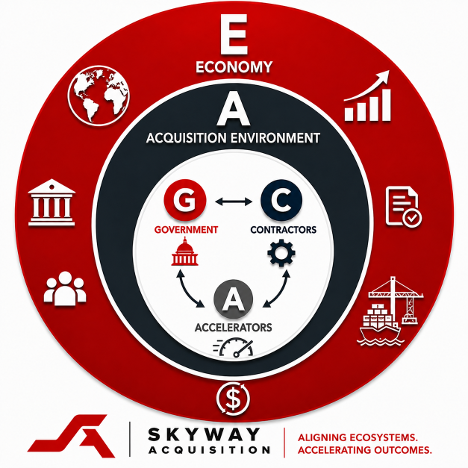
One way to frame what happens is through the lens of the 3 Deciders in government contracting: the Economic Decider, the Customer and the Contracting Officer. Here’s how each one focuses on sweeping funds at the end of the fiscal year…even if they are already on contract.
- The Economic Decider is particularly concerned about making sure the money that they allocate is being used properly. For example, this is one of the reasons that the Economic Decider would host meetings specifically to review the “Os and Es” (obligations and expenditures). Those meetings were exceedingly boring if you’ve never been in one by the way.
- The Customer, likewise, is focused on making sure they use the money they are given by the Economic Decider. They want to sweep the funds that are not being used to apply them where they can be used to support their mission.
- The Contracting Officer is focused on the knowing the sweep is coming. Sweeping funds from one contract to another requires two modifications. One to take the money off Contract A and one to add the money to Contract B. The first modification is unliteral (taking unused money off a contract is a unilateral right of the government). However, putting the money onto Contract B may or may not be unilateral. The funds may then be applied to Contract B in three general options:
Option 1: Funds may be added to an existing contract and requires negotiation to an existing contract without a change to the contract (this could be unilateral). This is the easiest (and fastest) of the three.
Option 2: Funds may be added to an existing contract through an in-scope adjustment, meaning an increase in quantity, additional support, or other additional support related to the contract. This would most often be a bi-lateral (meaning, negotiated) change. This takes longer than a unilateral action but is often not too difficult to negotiate because the span of the negotiation is limited to the change caused by the new funding.
Option 3: Funds may also be added to an entirely new contract. This is most complicated of the 3 options because all the elements of new contract are potentially under negotiation. The complexity of awarding a new contract tends to not be the path of least resistance to using the unexpended funds.
Take Aways
Don’t get swept. Review your contracts to look for obligated funds at risk. You can see if you are at risk by totaling the funds on your contract that are not being used (you can tell by subtracting the amount that you invoiced from the amount obligated on the contract). If you have unexpended funds (you should unless the government funds very tightly), be sure your customer knows that you will use all the funds to serve them. That way when the Economic Decider asks, they already know.
Be a sweeper. Likewise, there are likely other contracts in the agencies you support that are under-expending their funds. You want your government customers to know that in the event that they have funds to sweep, you are ready to move quickly with Option 1 or Option 2 above. This is why having a strong relationship with your government customer throughout the contract is important. They will believe you IF you’re been responsive and easy to work with so far (see Flossing Your Contract episode). If you have a good relationship AND you have a built a strong contract management approach, the customer is more likely to move the swept money to your contract and the contracting officer is more likely to move the contract to the top of their End of Year pile of actions because they know you can get it done. As a CO at the end of the fiscal year, I always focused on managing the easy contract actions first – I suspect any other CO would as well.
Of course, the better strategy is to focus on getting the customer to focus on managing obligations and expenditures cleanly in the first place. However, funding sweeps are going to happen due to shifting priorities. Therefore, be ready to take advantage of them. Think of what the government could add to your contract with swept funds BEFORE they ask…or even better, before the they go looking in the first place.